
Geriatric Care Management in California and Texas

Geriatric Care Management California & Texas
The Way to Aging provides geriatric care management services for older adults and families throughout California and Texas. Led by gerontologist Yolanda Lawler, our personalized approach helps families understand changing care needs, coordinate services, manage senior-care crises and make informed long-term care decisions.
A geriatric care manager evaluates an older adult’s physical, cognitive, emotional, social and environmental needs. Based on that assessment, the care manager develops a personalized care plan that may include support at home, medical coordination, caregiver assistance, dementia care or relocation to assisted living, memory care or a board-and-care home.
For families who feel overwhelmed or live far from an aging parent, The Way to Aging provides knowledgeable guidance, ongoing communication and a clear path forward.
A well-trained care manager can help individuals remain as independent as possible by assessing the alternatives, whether it’s living at home with assistance or in other situations, such as supportive housing or assisted living facilities. Geriatric Care Managers have special training in Gerontology, Social Work, Nursing, or Counseling. Call 949-278-6181
What Is Geriatric Care Management? Call 949-278-6181
Geriatric care management is a professional service that helps older adults and their families plan, coordinate and monitor care. It brings the different parts of senior care together—including health concerns, personal care, housing, safety, family communication and community resources.
A geriatric care manager does not replace a physician or other healthcare provider. Instead, the care manager helps families understand their options, communicate with appropriate professionals and coordinate the services needed to support an older adult’s safety, independence and quality of life.
How The Way to Aging Helps Families in California & Texas Can Help with:
Our geriatric care management services may include:
- Comprehensive assessments of an older adult’s needs
- Personalized care planning
- Home visits and safety evaluations
- Coordination of in-home caregivers and community services
- Assistance communicating with healthcare providers
- Dementia and memory-care guidance
- Crisis intervention and stabilization
- Family meetings and care discussions
- Long-distance caregiving support
- Assisted living, memory care and board-and-care placement
- Referrals to legal, financial and healthcare professionals
- Ongoing monitoring as care needs change

When Should You Contact a Geriatric Care Manager?
Consider speaking with a geriatric care manager when:
- An older adult is experiencing falls, confusion or medication problems
- A parent is no longer safe living alone
- Memory loss or dementia symptoms are increasing
- Family members disagree about the appropriate care plan
- You live far from the person who needs assistance
- A hospitalization creates an urgent need for care
- Caregiver stress is affecting your health or family
- You are unsure whether home care, assisted living or memory care is appropriate
- An older adult’s needs have become too complex for one family member to coordinate
Early planning can help families understand available options before a preventable situation becomes a crisis. The National Institute on Aging also provides families with research-based information about caregiving and supporting older adults.
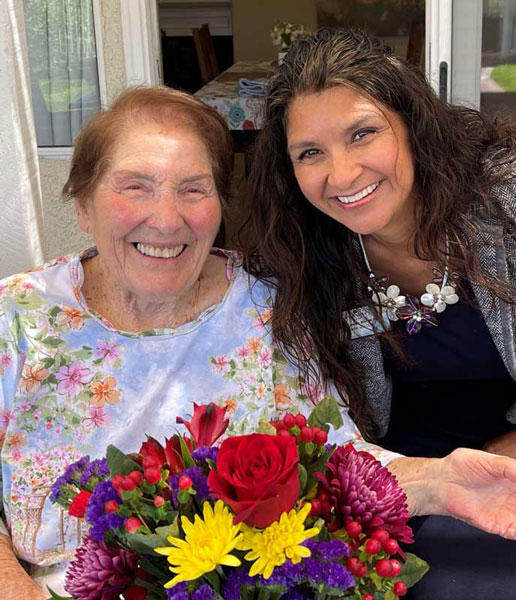
Geriatric Care Management for Dementia
Caring for someone with Alzheimer’s disease or another form of dementia can become increasingly complicated. Changes in memory, judgment, behavior, mobility and communication can affect both the individual and the entire family.
The Way to Aging helps families evaluate safety concerns, understand changing care needs, coordinate dementia support and determine whether care at home or a specialized memory-care setting may be appropriate. The goal is to create a practical care plan while preserving the older adult’s dignity and supporting the family.
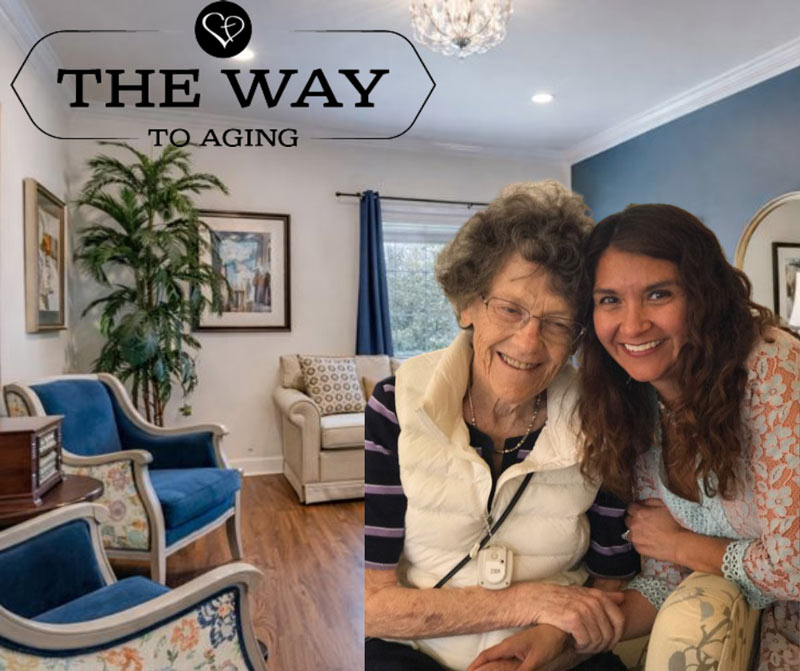
Why Families Choose The Way to Aging
Yolanda Lawler combines education in gerontology with operational experience in assisted living and memory care. Her perspective extends beyond finding a senior community. She understands resident care, staffing, family communication, dementia support and the realities of operating senior-living environments.
This experience helps families compare options based on care needs, safety, services, staffing and long-term suitability—not simply appearance or availability.
A geriatric care manager assesses an older adult’s needs, develops a care plan, coordinates appropriate services, communicates with family members and monitors the person’s changing situation.
No. It can help any older adult experiencing health, safety, housing, caregiving or independence concerns. It is especially useful when several needs must be coordinated.
Yes. A care manager can evaluate the home environment, identify safety concerns and coordinate services that may help the person remain at home safely. Recommendations depend on the individual’s needs and available support.
Yes. Geriatric care management can be particularly valuable for adult children and other family members who live far from an aging loved one in California or Texas.
Yes. When living at home is no longer safe or practical, The Way to Aging can help families explore assisted living, memory care and board-and-care options based on the older adult’s needs.
Get Help Creating the Right Care Plan
You do not have to manage an aging loved one’s changing needs alone. The Way to Aging helps families understand their options, coordinate appropriate support and make informed senior-care decisions.
Call 949-298-5253 for a complimentary consultation.