
Board and Care Homes in California & Texas Family Guide
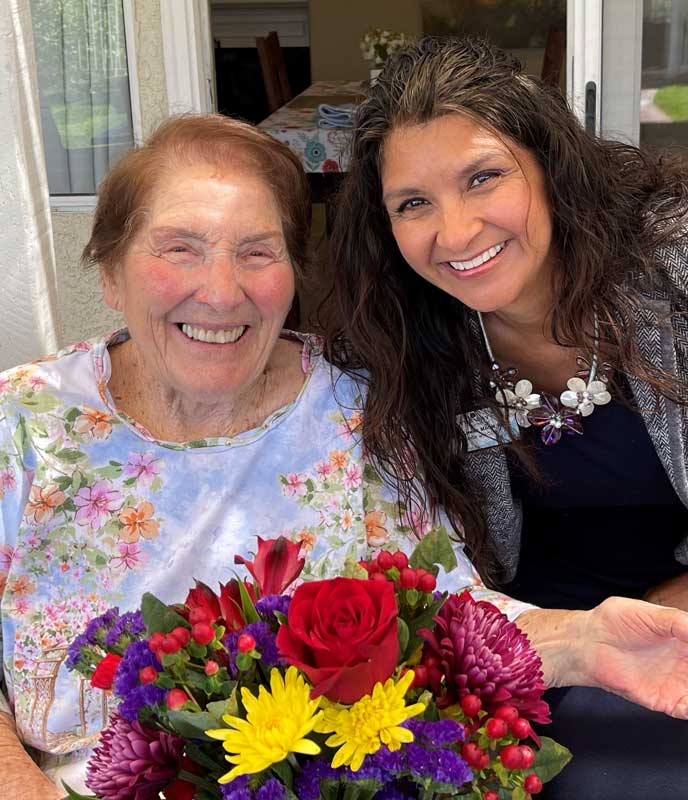
Board and Care Homes in California and Texas: A Family Guide
Choosing the right living environment for an aging parent or loved one can feel overwhelming. Large assisted living communities are not the only option. For some older adults, a smaller residential setting known as a board and care home may provide the personal attention, supervision, and comfortable home environment they need.
Board and care homes typically provide housing, meals, personal assistance, supervision, and support with everyday activities in a residential setting. They are often smaller than traditional assisted living communities, which can create a quieter atmosphere and allow caregivers to become more familiar with each resident’s individual routines and preferences.
The Way to Aging helps families in California and Texas understand senior care options and determine whether a board and care home, assisted living community, memory care community, or another type of care may be appropriate.
Call Us Today 949-278-6181
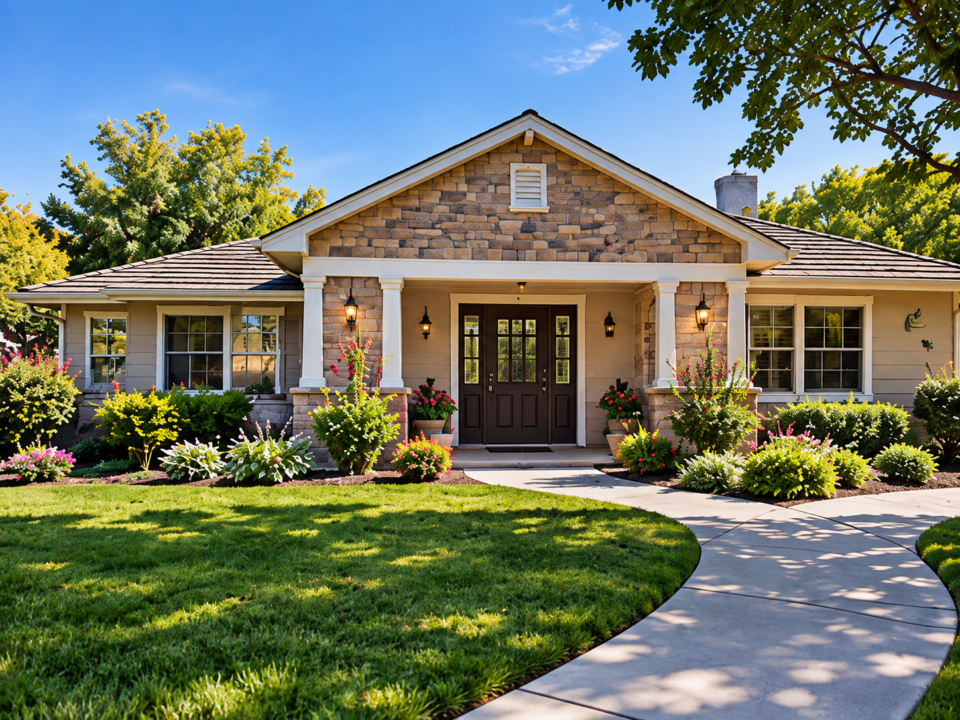
What Is a Board and Care Home?
A board and care home is a residential senior care setting that combines housing with assistance and supervision.
Rather than living in a large senior living campus, residents generally live in a home-like environment with a smaller number of other residents. Depending on the residence and the needs of the individual, caregivers may assist residents throughout the day and night.
A board and care home may provide assistance with:
- Bathing
- Dressing
- Grooming
- Toileting
- Mobility and transferring
- Medication assistance or supervision
- Meals and snacks
- Laundry
- Housekeeping
- Personal hygiene
- Daily routines
- Social interaction
- Safety supervision
The exact services provided vary from one home to another. Families should always verify what a particular residence is licensed, staffed, and equipped to provide.

How Is a Board and Care Home Different From Assisted Living?
One of the biggest differences is usually the size and style of the environment.
Traditional assisted living communities may have dozens or even hundreds of residents, apartments, dining rooms, activity areas, fitness facilities, salons, transportation programs, and extensive social calendars.
Board and care homes are generally smaller and more residential.
An older adult who becomes overwhelmed in a large community may feel more comfortable in a setting that looks and feels more like a traditional home.
Board and Care Homes May Offer:
Board and care homes may be a good option for older adults who prefer a smaller, more residential setting. These homes typically serve fewer residents, which can create a quieter atmosphere and allow seniors to become more familiar with their caregivers. Residents may also benefit from more consistent daily routines, personalized assistance, home-style meals, and shorter distances between bedrooms, dining areas, and common spaces. This can be especially helpful for seniors who have mobility challenges or feel more comfortable in a home-like environment.
Larger assisted living communities often provide a different type of senior living experience. They may offer private apartments, larger activity programs, multiple dining options, scheduled transportation, fitness programs, social events, spacious common areas, and a wider variety of amenities. Seniors who enjoy being around more people and participating in organized activities may appreciate the additional social opportunities available in a larger community.
Neither a board and care home nor a larger assisted living community is automatically the better choice. The right setting depends on the individual older adult’s health, mobility, cognitive abilities, personality, social preferences, financial situation, and level of care needed. Families should consider both current needs and how those needs may change over time when deciding which senior living environment may be the best fit.
Neither type of senior living is automatically better. The appropriate choice depends on the older adult’s health, personality, mobility, cognitive abilities, social preferences, finances, and care requirements.
Call Now 949-278-6181

Who May Benefit From a Board and Care Home?
Board and care homes may be appropriate for older adults who can no longer live safely or comfortably on their own but do not necessarily require the medical services of a skilled nursing facility.
Families may begin exploring residential care when an older adult experiences changes such as:
- Difficulty bathing or dressing independently
- Increasing fall risk
- Difficulty walking safely
- Problems managing medications
- Forgetting meals
- Weight loss or poor nutrition
- Increasing confusion
- Memory loss
- Difficulty maintaining the home
- Isolation or loneliness
- Nighttime safety concerns
- Repeated emergency room visits
- Caregiver exhaustion
- Increasing dependence on family members
Sometimes there is no single event that causes a family to consider care. Instead, several smaller changes occur over time until living independently becomes increasingly difficult.
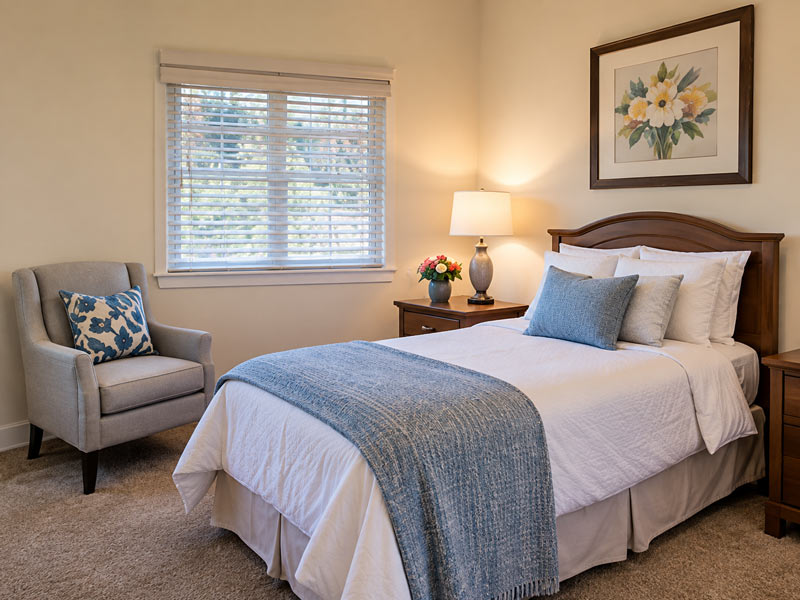
Board and Care Homes for Seniors With Dementia
A smaller residential environment may be worth considering for someone living with Alzheimer’s disease or another form of dementia, particularly when large or busy environments create confusion or anxiety.
However, families should never assume that every board and care home provides the same level of dementia support.
Ask whether caregivers have experience working with residents who experience:
- Memory loss
- Confusion
- Wandering or exit-seeking
- Changes in sleep patterns
- Repetitive behaviors
- Difficulty communicating
- Resistance to personal care
- Changes in eating
- Increased assistance with activities of daily living
It is also important to determine whether the residence can continue caring for the person if cognitive or physical needs increase.

What Should Families Look for When Visiting a Board and Care Home?
A beautiful house does not necessarily mean that it provides excellent care. When visiting a potential home, pay attention to what is happening around you. Observe whether residents appear comfortable, appropriately dressed, engaged, and treated respectfully. Notice whether caregivers interact warmly with residents and whether the home appears clean, organized, and calm.
Important areas to evaluate include:
Caregiver Experience
Ask how long caregivers have worked in senior care and what training they receive. Find out whether staff members have experience caring for residents with conditions similar to your loved one’s.
Staffing
Ask who is present during the day and overnight. Families should understand how residents receive assistance when several people need help at the same time.
Resident Needs
Discuss your loved one’s current physical, cognitive, emotional, and personal care needs. Do not evaluate a home solely on whether it can meet today’s needs. Ask what happens if those needs increase.
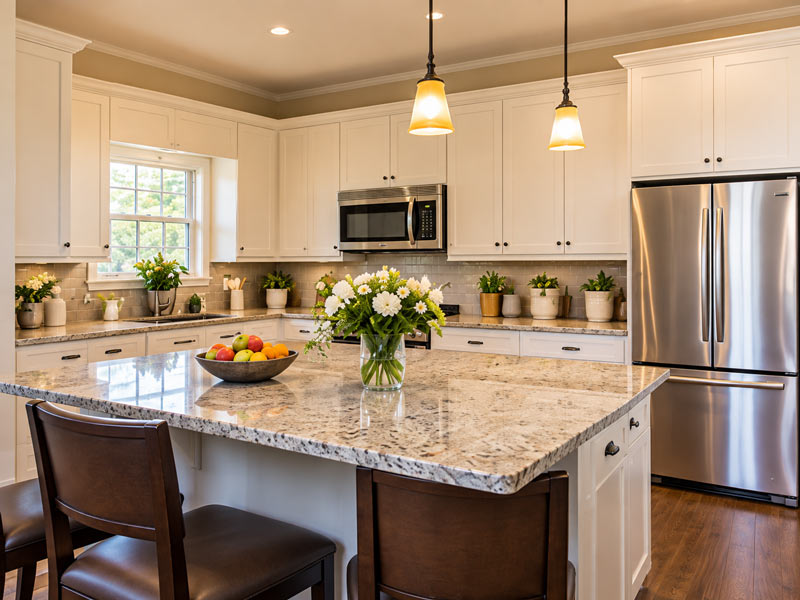
Cleanliness and Safety
Look at bedrooms, bathrooms, hallways, outdoor areas, and common spaces. Consider accessibility, fall hazards, emergency procedures, and how residents receive help when they need assistance.
Meals
Ask to see menus and find out how dietary preferences and restrictions are handled. Meals are an important part of everyday life, particularly for residents who spend most of their time at the home.
Daily Routine
Find out what a typical day looks like. Some older adults enjoy structured activities and frequent social interaction. Others prefer a quieter routine.
The environment should fit the individual rather than expecting the individual to fit the environment.
Questions to Ask a Board and Care Home
Before making a decision, families should consider asking:
- What type of residents do you typically care for?
- How many residents live in the home?
- How many caregivers are normally present?
- Is someone available throughout the night?
- What personal care services are included?
- How do you assist residents with medications?
- Do you care for residents with dementia?
- What happens if my loved one’s needs increase?
- Are there additional charges for higher levels of care?
- How often are rates increased?
- What services cost extra?
- How are emergencies handled?
- How do you communicate changes in a resident’s condition to the family?
- What meals and snacks are provided?
- Can dietary needs be accommodated?
- What activities are available?
- Are residents able to spend time outdoors?
- What are the visiting policies?
- Under what circumstances would a resident need to move?
- Can I review licensing and inspection information?
Write down the answers so that you can compare homes after your visits.


Understanding Board and Care Home Costs
The cost of residential care varies considerably.
Pricing can be influenced by:
- Geographic location
- Private versus shared rooms
- Level of personal assistance
- Mobility needs
- Dementia care requirements
- Medication assistance
- Incontinence care
- Transfer assistance
- Nighttime needs
- Additional staffing requirements
- Amenities and services
Families should request a clear explanation of both the basic monthly rate and potential additional care charges.
Ask what happens financially if the resident eventually requires significantly more assistance.
Choosing a home based entirely on its initial monthly price can create problems later if increasing care needs result in substantial additional charges.
How The Way to Aging Helps Families Evaluate Senior Care Options
Families frequently begin their search without knowing whether they should be looking for a board and care home, assisted living community, memory care community, home care, or another level of support.
The Way to Aging helps families better understand those choices.
Yolanda Lawler, MASM, RCFE, Gerontologist, brings professional experience in senior care, including previous leadership experience as an Executive Director in Assisted Living and Memory Care.
Our approach begins by looking at the older adult as a whole person—including physical needs, cognitive abilities, daily functioning, emotional well-being, lifestyle, family circumstances, and future care needs.
Instead of starting with a building, we start with the person.
Once the family’s needs and priorities are better understood, appropriate senior living options can be explored and compared.
Need Help Finding the Right Board and Care Home?
Finding senior care is about much more than searching online for a home with an available room.
The residence needs to fit the person.
The Way to Aging assists families throughout California and Texas who are evaluating board and care homes, residential care, assisted living, and memory care options.
If you are trying to determine which type of senior living environment may be appropriate for your parent or loved one, contact The Way to Aging for a complimentary consultation.
Call The Way to Aging: 949-278-6181
Serving families throughout California and Texas.

Yolanda Lawler, MASM RCFE
Gerontologist
Obtain an unbiased assessment. Obtain a baseline.
Compare independent assessment to the assessment done by the community to ensure the correct services are provided and charged accordingly.
Making the decision to place a loved one in a Board and Care is a difficult one; please allow us to help you through these challenging times. Call Us Today 949-346-5960