
Medicare Made Simple: A Guide for Seniors and Families in Texas

Medicare Made Simple: A Guide for Seniors and Families in Texas
Navigating Medicare can feel overwhelming, especially when you’re already dealing with the challenges that often come with aging. Between understanding coverage options, enrollment periods, prescription drug plans, and Medicare Advantage plans, many seniors and their families find themselves unsure of where to begin.
At The Way to Aging, we believe that understanding Medicare should be simple, straightforward, and stress-free. Our goal is to help seniors and their families make informed decisions so they can receive the healthcare coverage they need while maintaining independence and quality of life.
The Way to Aging Perspective
At The Way to Aging, a gerontologist can help families evaluate Medicare options while also considering:
- Future care needs
- Memory care concerns
- Crisis management planning
- Senior housing options
- Care coordination
This comprehensive approach often helps seniors avoid costly mistakes and choose coverage that better supports aging well.
What Is Medicare?
Medicare is a federal health insurance program primarily designed for individuals age 65 and older. Some younger individuals with qualifying disabilities, End-Stage Renal Disease (ESRD), or ALS may also be eligible. Medicare provides coverage for a wide range of healthcare services, helping older adults access medical care as they age.
Understanding the Different Parts of Medicare
One of the biggest sources of confusion is understanding the various parts of Medicare.
Medicare Part A – Hospital Insurance
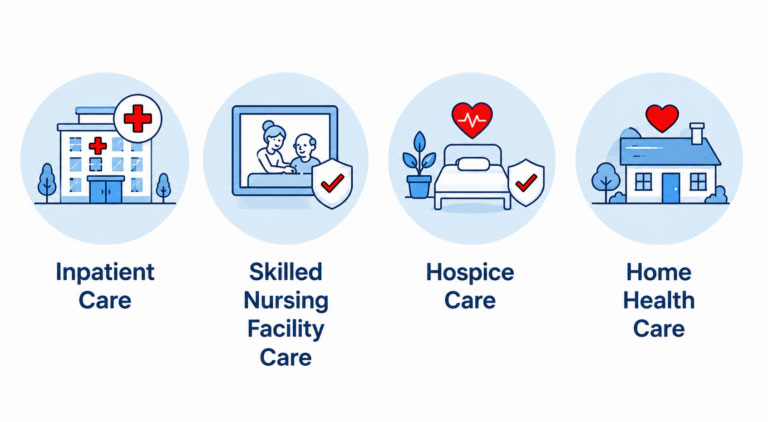
Part A helps cover:
- Inpatient hospital stays
- Skilled nursing facility care
- Hospice services
- Some home health services
Many individuals qualify for premium-free Part A based on their work history.
Medicare Part B – Medical Insurance

Part B helps cover:
- Doctor visits
- Preventive services
- Outpatient care
- Medical equipment
- Laboratory services
Part B generally requires a monthly premium.
Medicare Advantage (Part C)
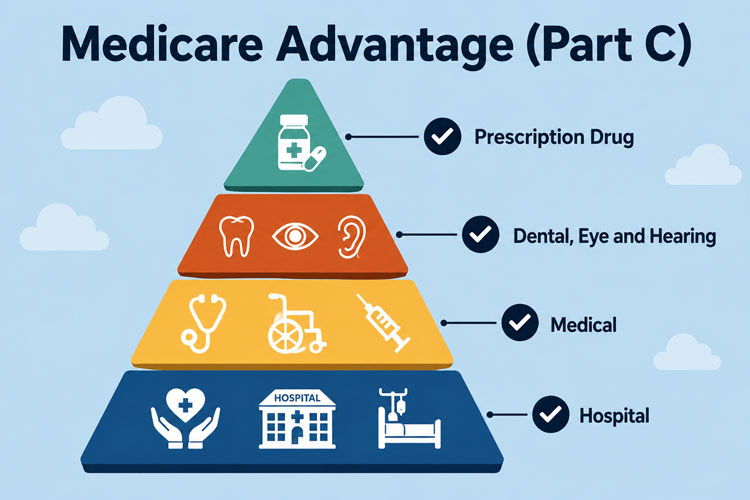
Medicare Advantage plans are offered through private insurance companies approved by Medicare. These plans typically combine Parts A and B and often include prescription drug coverage along with additional benefits such as dental, vision, and hearing services.
Medicare Part D – Prescription Drug Coverage

Part D helps cover prescription medications. Different plans offer different formularies, costs, and pharmacy networks.
Why Choosing the Right Medicare Plan Matters
Not all Medicare plans are created equal. The plan that works well for one person may not be the best fit for another.
Important factors to consider include:
- Current health conditions
- Prescription medications
- Preferred doctors and specialists
- Travel habits
- Monthly budget
- Expected healthcare needs
Selecting the wrong plan could result in higher out-of-pocket costs or limited access to preferred providers.
Medicare and Long-Term Care: What Families Should Know
A common misconception is that Medicare covers all long-term care expenses. While Medicare may cover certain medically necessary home health services and skilled nursing care, it generally does not cover ongoing custodial care such as assistance with bathing, dressing, meal preparation, or supervision related to dementia.
This becomes particularly important for families caring for loved ones with:
- Alzheimer’s disease
- Dementia
- Parkinson’s disease
- Mobility limitations
- Chronic health conditions
Understanding what Medicare covers—and what it does not—can help families prepare for future care needs.
Annual Medicare Enrollment Period
Every year, Medicare beneficiaries have an opportunity to review and make changes to their coverage during the Annual Enrollment Period (AEP).
Important Dates
October 15 through December 7
During this period, beneficiaries can:
- Switch Medicare Advantage plans
- Return to Original Medicare
- Join a Medicare Advantage plan
- Add, change, or remove Part D prescription drug coverage
Since plan benefits, provider networks, and prescription coverage can change from year to year, reviewing your plan annually is highly recommended.
Medicare and Aging in Place
Many seniors prefer to remain in their homes as they age rather than move into assisted living or nursing facilities. This concept is known as “aging in place.” Medicare may help cover certain skilled home health services that support aging in place, but it does not typically cover long-term custodial care.
Families often benefit from combining Medicare coverage with additional community resources, home care services, and long-term planning strategies.
How the Way to Aging Can Help
At The Way to Aging, we understand that healthcare decisions are only one piece of the puzzle. Families often come to us with questions about:
- Medicare plans
- Memory care options
- Assisted living communities
- Board and care homes
- Home care services
- Geriatric care management
- Dementia-related challenges
Our team provides compassionate guidance to help families understand their options and make informed decisions that align with their loved one’s needs.
Whether you’re enrolling in Medicare for the first time, reviewing your current coverage, or planning for future care needs, we’re here to help.
Speak With a Medicare Specialist Today
Choosing Medicare coverage doesn’t have to be confusing. The Way to Aging helps seniors and families throughout Texas navigate Medicare options while also providing expert guidance on aging, dementia care, senior housing, and long-term care planning.
Before making an important Medicare decision, contact The Way to Aging for a free consultation. Our experienced team can help you understand your options and find solutions that support both your healthcare needs and your future goals.
Helping Texas Seniors and Families Age with Confidence, Compassion, and Dignity.
Contact Us

Complete Guide to Assisted Living Learn More
Call Now
Gerontologist | Founder & CEO, The Way to Aging
Yolanda…

Call Now 949-278-6181
At The Way to Aging, we help families throughout North Texas, Rockwall, Dallas, Also Serving California, Orange…